Social science as lived experience
Exploring how relationships with people, places and the more-than-human world shape what we know, feel and do
Follow my relational practice journey


Get involved
-

Discover the research
Access Katie’s social science publications on topics such as biodiversity conservation, inclusive policy design and mental modelling.
-

Read the guide
Explore how an understanding of social science methods and philosophy can improve both policy-making and research.
-
What type of social scientist are you?
This quiz is designed as an introductory tool to help you explore different approaches to social science research.
Featured
-
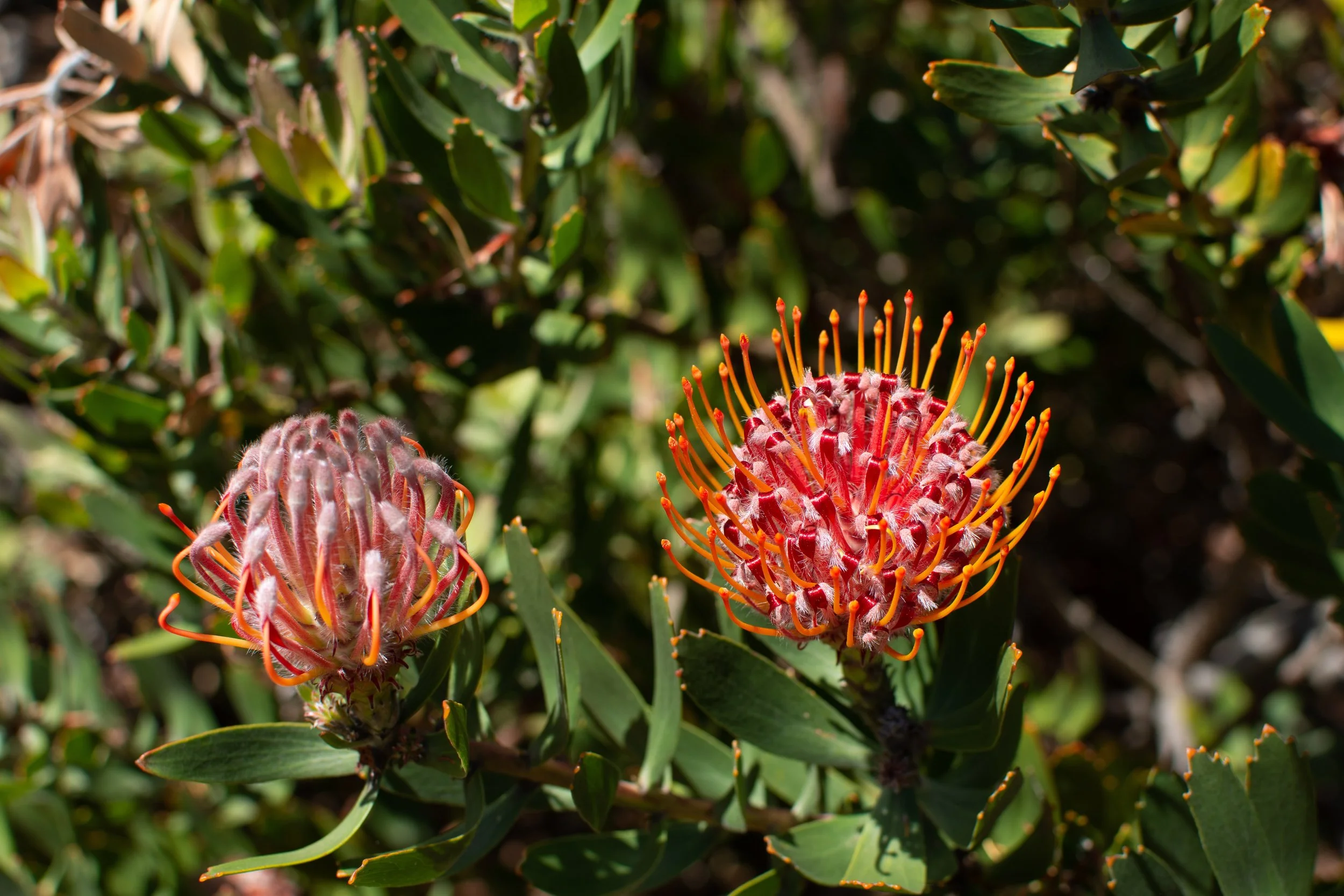
An alternative pathway for climate resilience
Can we be resilient if we don’t feel like we belong to a community? We’re often told that to adapt to climate change, we must rely on our communities, that they offer what no individual can: shared skills, knowledge and capacity. But what if ‘community’ doesn’t always feel clear or consistent, if we have to keep re-learning how to relate and respond?
-
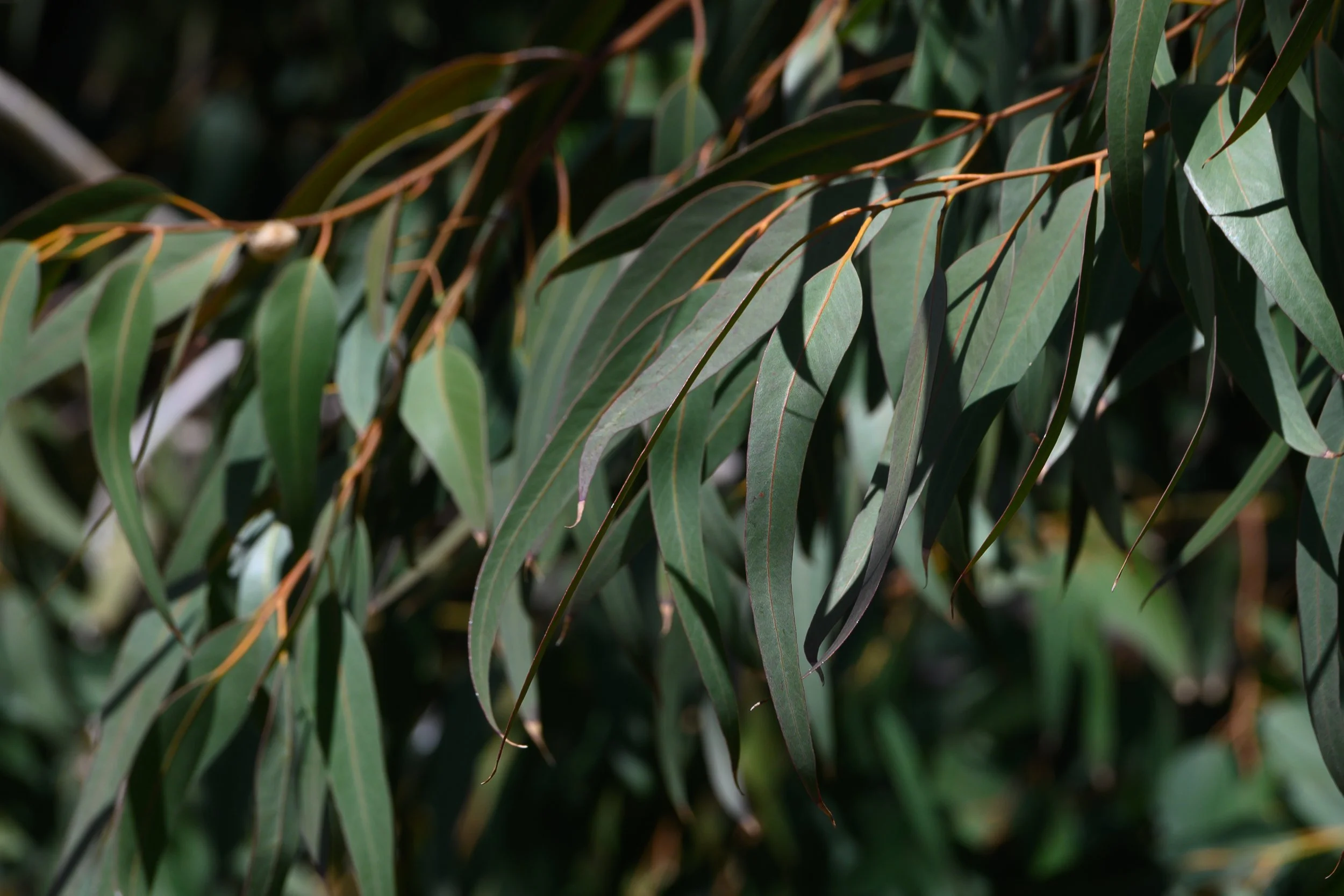
Beyond protected areas and the boundaries of conservation
Relational commons offer an ontological and governance framework that centres the interdependence of human and more-than-human beings, and the abiotic entities and ecological processes that sustain them. Here, care for these dynamic relations becomes the foundation for shared responsibility and decision-making.
-

ClimatePods
Climate change escalates natural disaster risks globally and in Australia. The ClimatePods project seeks to address this challenge by developing innovative tools for community-level disaster preparedness, focusing on empowering existing social networks.

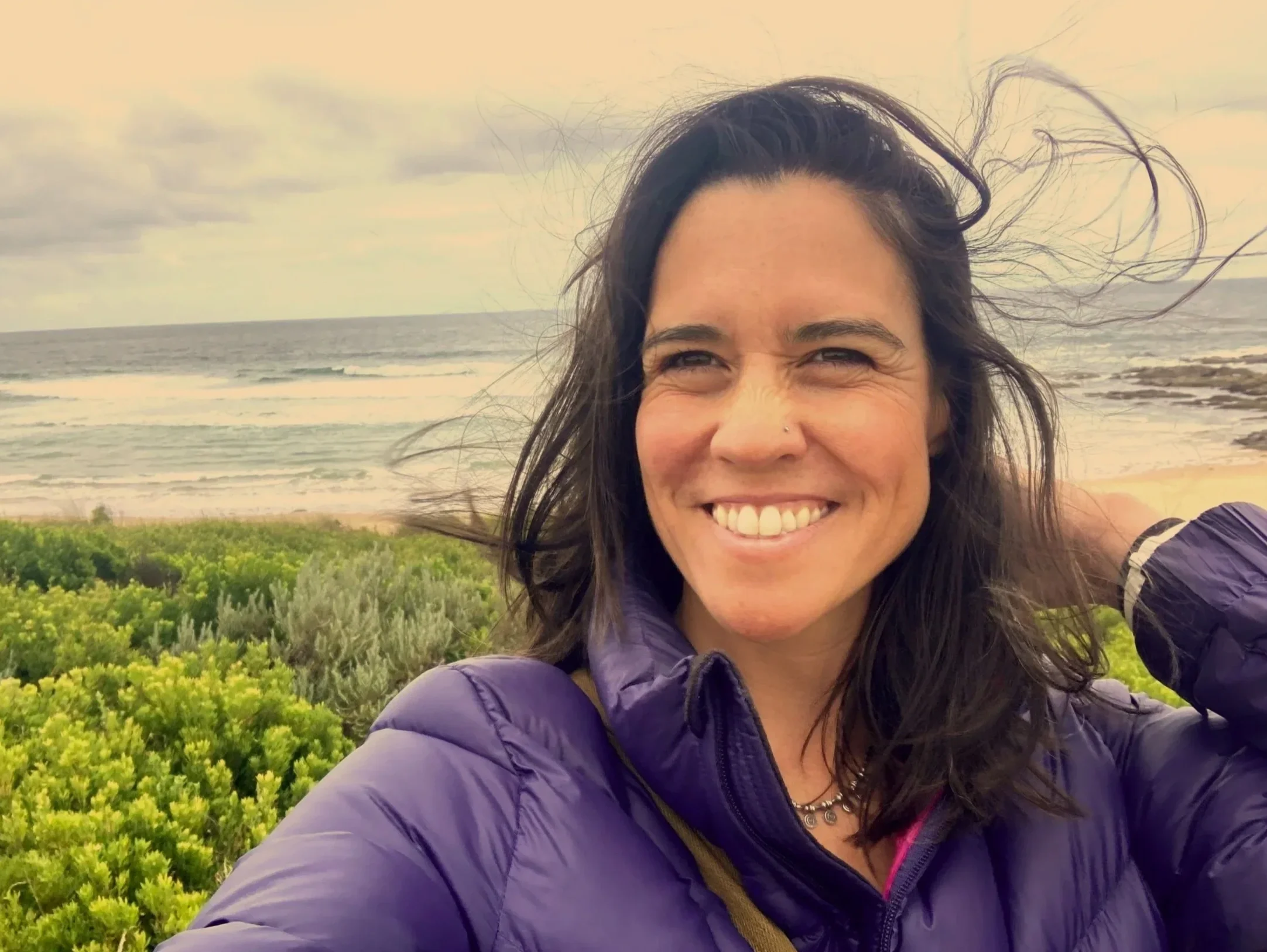
Hi, I’m Katie
I’ve always been driven by curiosity — about natural systems, our place within them, and the ways my own mind and body respond to the world. That curiosity has taken me through environmental science, a PhD in social science, yoga and permaculture training, and years of exploring philosophy and embodied ways of knowing, all feeding into one question: